

Intent
The KS4 curriculum is designed to build upon the knowledge and developing skills gained in KS3, with a clear sense of purpose and direction for each individual learner. Our approach is centred on what students need to learn next, ensuring that planning is responsive to each student’s strengths, needs, and aspirations.
We aim to equip students with the essential academic, personal, and technical skills required to prepare them for their next stage of education or training.
A key focus is developing students’ independence and confidence, enabling them to apply their learning in real-life contexts across a range of settings.
We promote the development of safe, responsible citizens who are able to advocate for themselves with confidence and respect.
We also aim to broaden students’ horizons by providing opportunities to explore future pathways through workshops, visiting speakers, meaningful encounters with employers, and workplace visits.
Implementation
The KS4 curriculum is structured around the development of functional and core skills, supporting students from Pre-Entry to Level 2. It is designed to equip learners with the practical knowledge and skills needed to live independently, continue learning, and engage successfully in adulthood and the world of work.
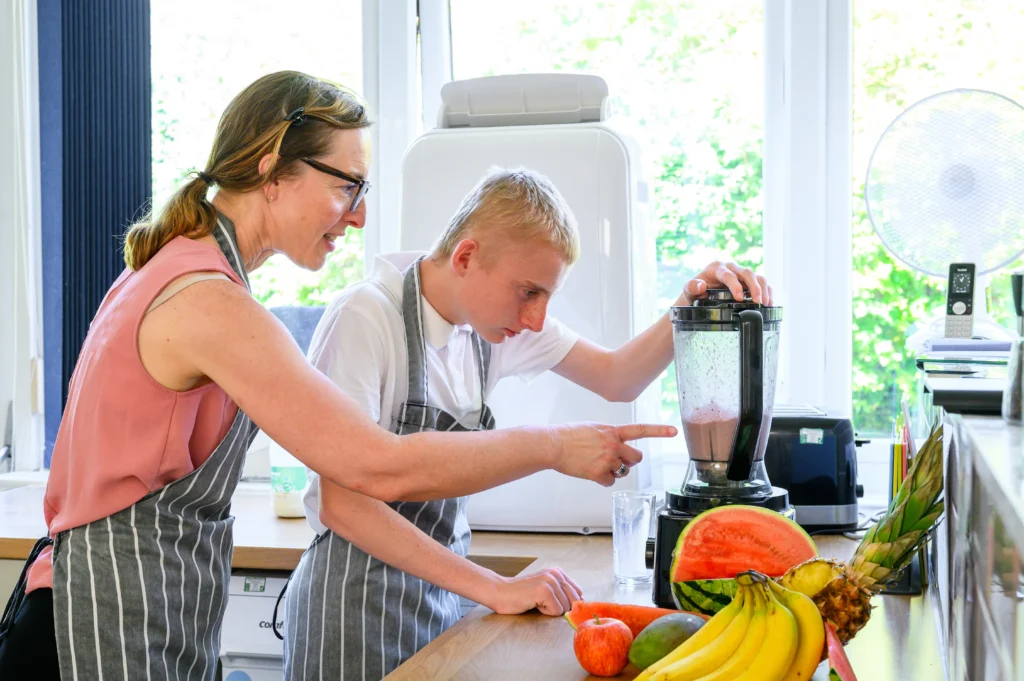
During Key Stage 4, students work towards a range of accreditations, typically delivered through one- or two-year courses depending on subject pathways. Accredited subjects include English, Maths, ICT, Religion and Worldviews, Science, Art, Physical Education, Food Technology, and Independent Living.
Assessment is ongoing and varied, including teacher assessment, internally completed coursework, and externally set or moderated assessments where appropriate.
We explicitly support the development of employability and life skills through the Skills Builder framework. This focuses on eight essential skills:
- Listening
- Speaking
- Problem Solving
- Creativity
- Staying Positive
- Aiming High
- Leadership
- Teamwork
These skills are embedded across the curriculum to develop resilience, perseverance, and self-belief.
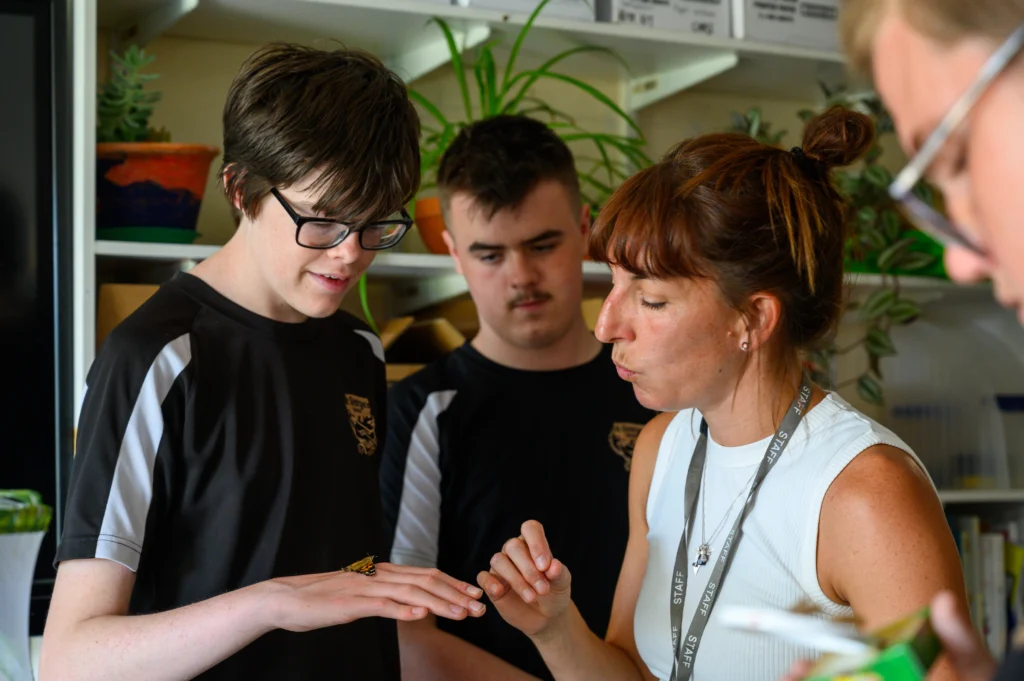
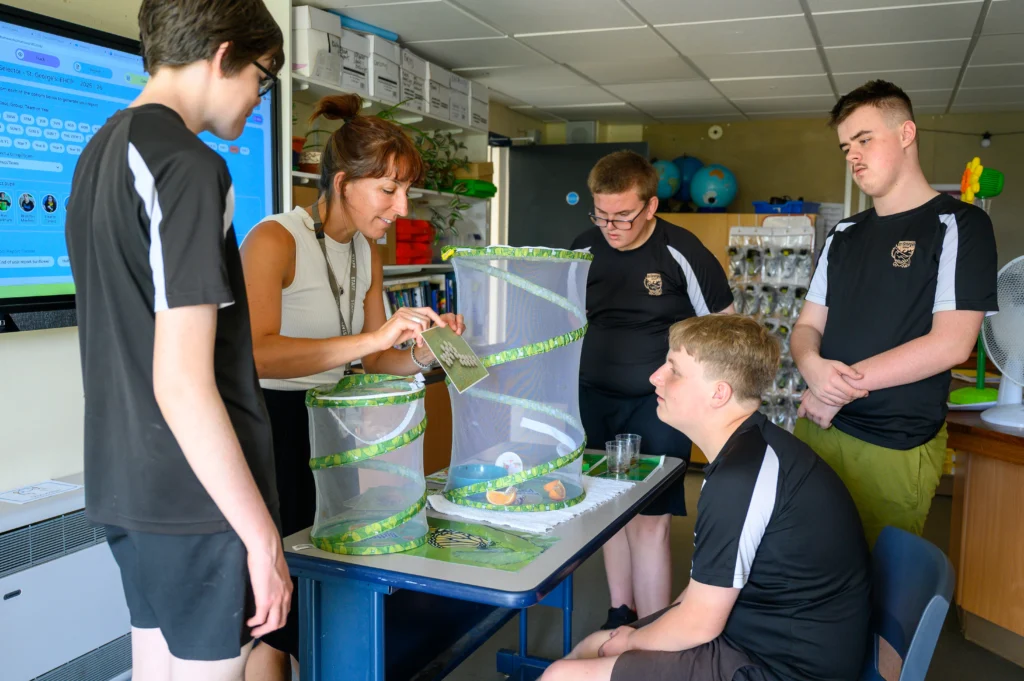
In addition, students are provided with opportunities to engage in work-related learning, community activities, and real-life experiences that reinforce classroom learning.
Impact
For learners:
- Students develop resilience and a growth mindset, recognising that challenge and setbacks are an important part of learning.
- Learners begin their accreditation journey, building a strong foundation for their next stage of education or training.
- Students are well prepared for Post-16 pathways, whether progressing to further education with an external provider or continuing into the Sixth Form at St George’s.
- Learners gain confidence, practical skills, and experience in independent living and the world of work.
- Students take increasing ownership of their learning, behaviour, and personal development.
- Learners are prepared for their next steps through meaningful encounters with employers, work placements, visits, and community-based experiences.
St George’s Key Stage 4 Curriculum Design
Students in Key Stage 4 are grouped into mixed year class groups based on academic level and on social needs. Students follow a Life Skills Pathway or a Vocational Pathway depending on their Pathway to Adulthood.
Students on a Vocational Pathway are working towards employment and living independently.
Students on a Life Skills Pathway are building steps to more independence, autonomy and self-advocacy within a supported adult life.
Students can move between Pathways depending on their individual choices, progress and needs.
As with Key Stage 3, classes follow a model of having one teacher with a pastoral role, who will teach the majority of core lessons, undertake day to day contact with families, compile EHCP annual reviews and be the main contact for parents and carers.
Maths and English
Students begin their Functional Skills curriculum.
For English and Maths, students work towards gaining accreditations in Pre Entry, Entry 1, Entry 2, Entry 3, and then Level 1. Some students will be learning practically and compiling a portfolio of evidence for assessment and others will sit formal exams.
Core lessons
Class based lessons are Life Skills, Work Skills, RSHE, Religion and World view.
These are designed to be differentiated for learners accessing the different pathways and Lazer qualifications can be achieved.
Accredited Specialist subjects
Students will transition to specialist teachers for Art, Physical Education and Science and Food Technology twice per week per subject These lessons are taught by teachers with a subject specialism in their own specialist classroom or area such as the gym or field for PE. The class team of teaching assistants will also transition to specialists with the students. Specialist teachers may make contact with families if required regarding their subjects.